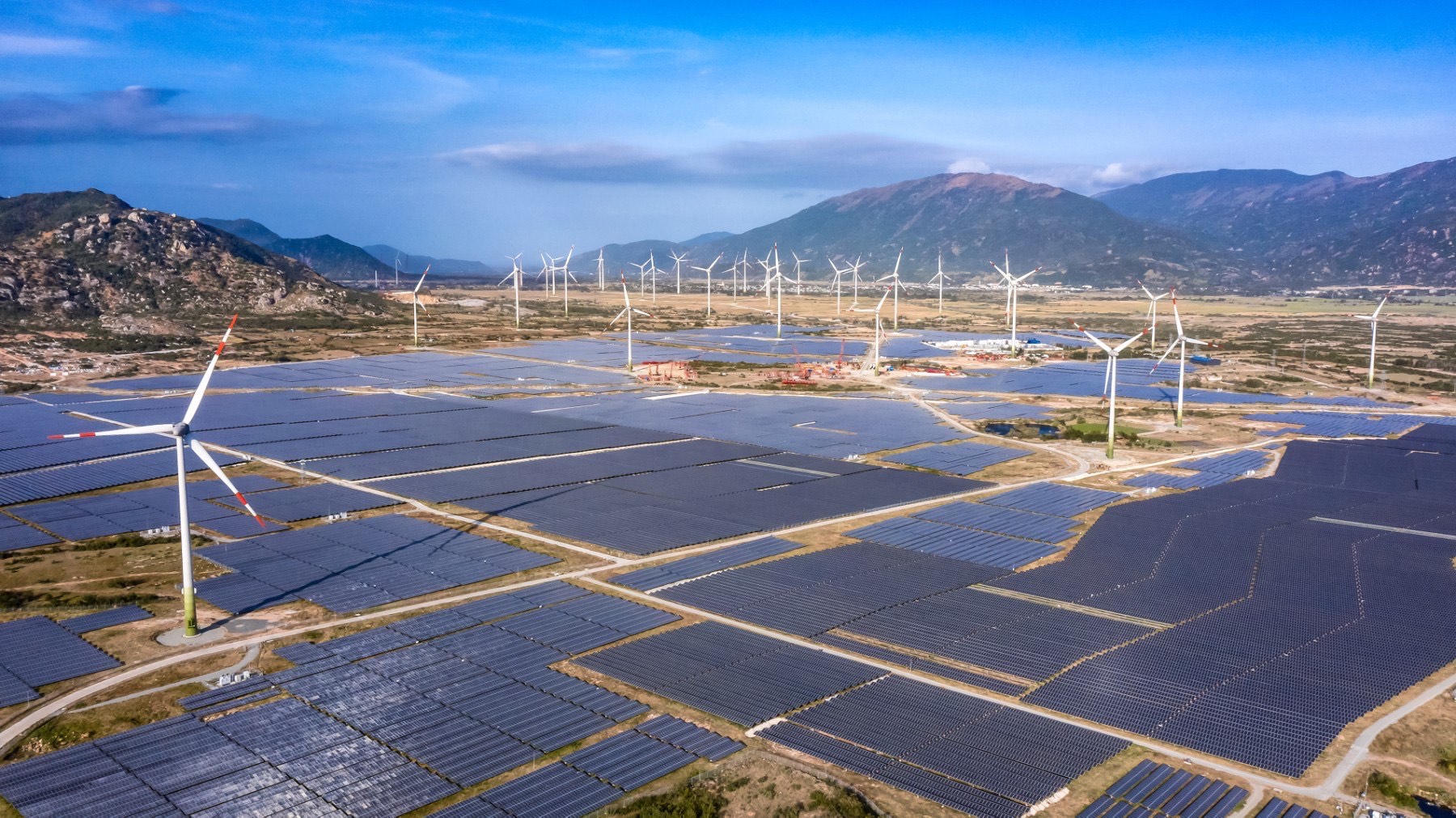
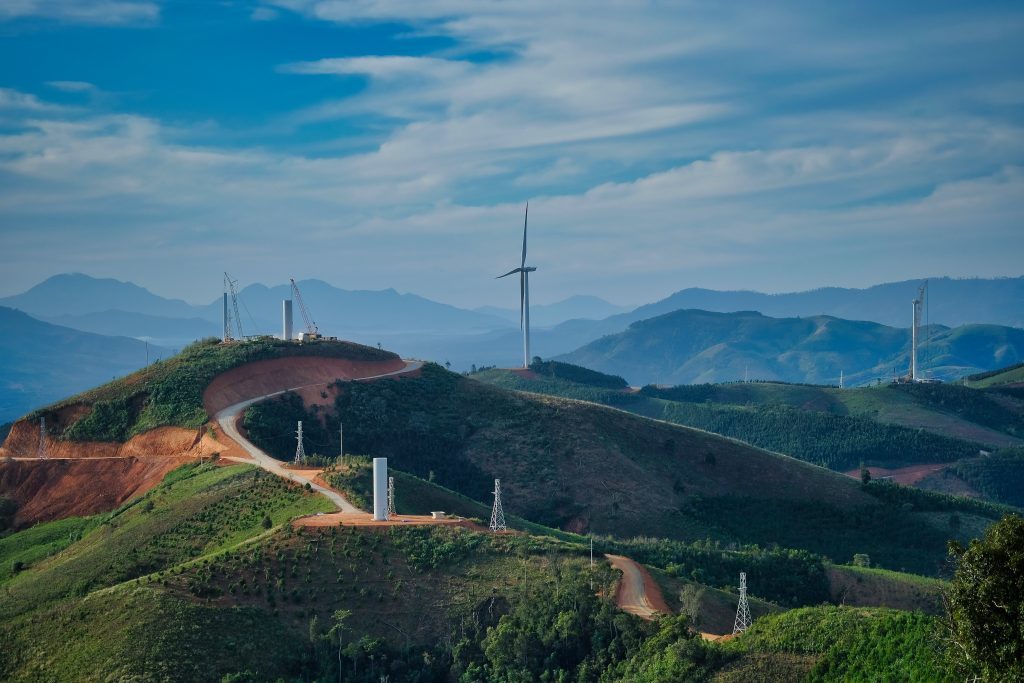
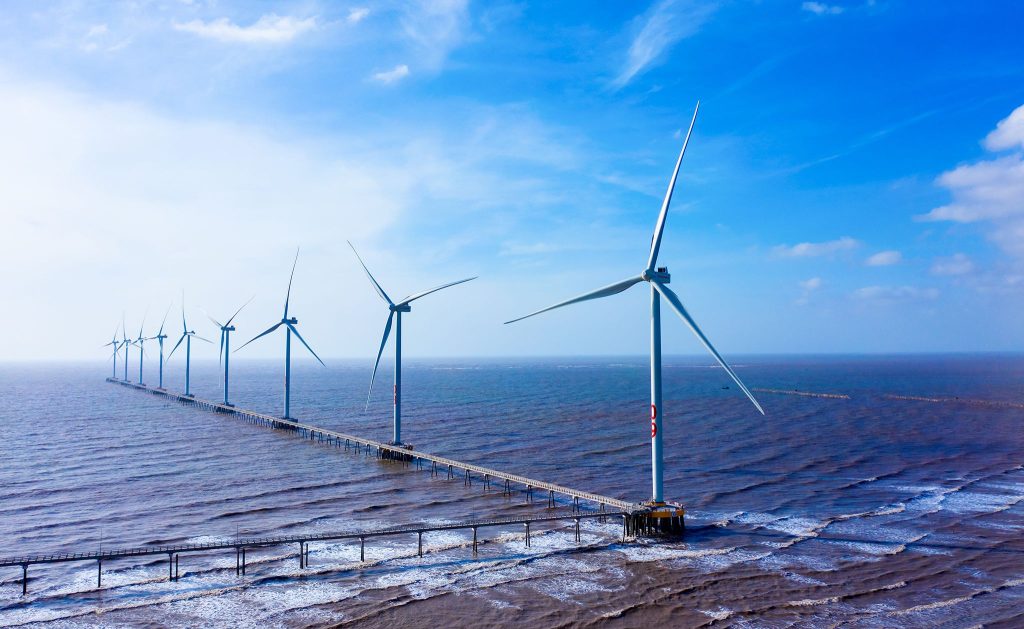
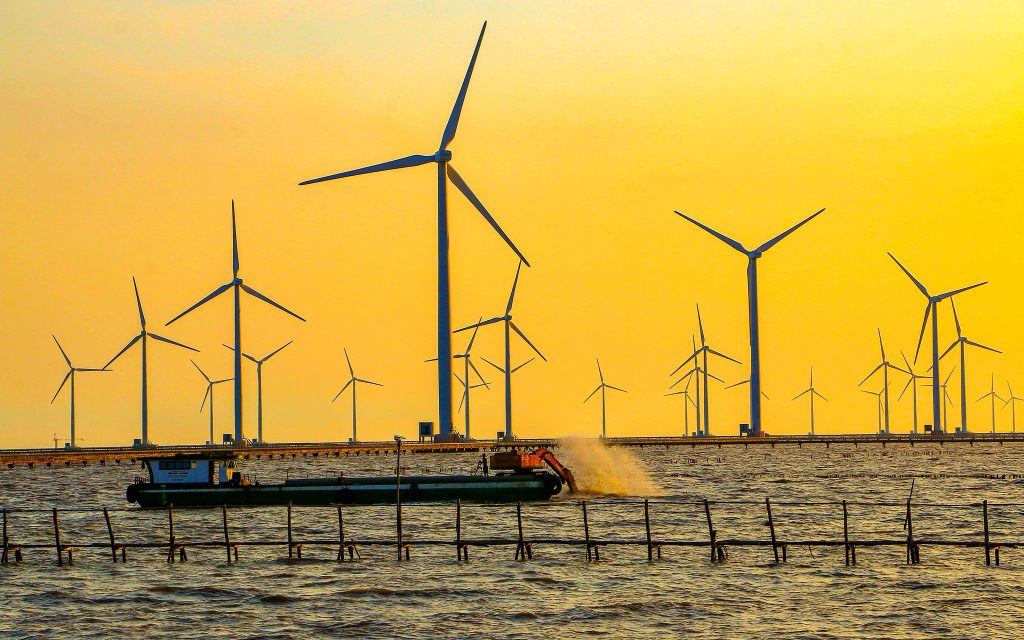
General global trends show a significant rise in wind and solar power worldwide. In Vietnam, to In Vietnam, to fulfill the commitment towards achieving a net-zero emissions target as agreed upon at COP26, the government’s incentivizing policies have led to a robust development of renewable energy sources, marked by impressive figures. Particularly noteworthy is the Power Development Plan VIII, projecting that by 2045, over 75% of the country’s energy will stem from renewable sources.
However, the development of renewable energy projects also triggers impacts on biodiversity, such as habitat loss within project areas, habitat fragmentation due to project infrastructure, and disturbances or mortality among species caused by project operations.
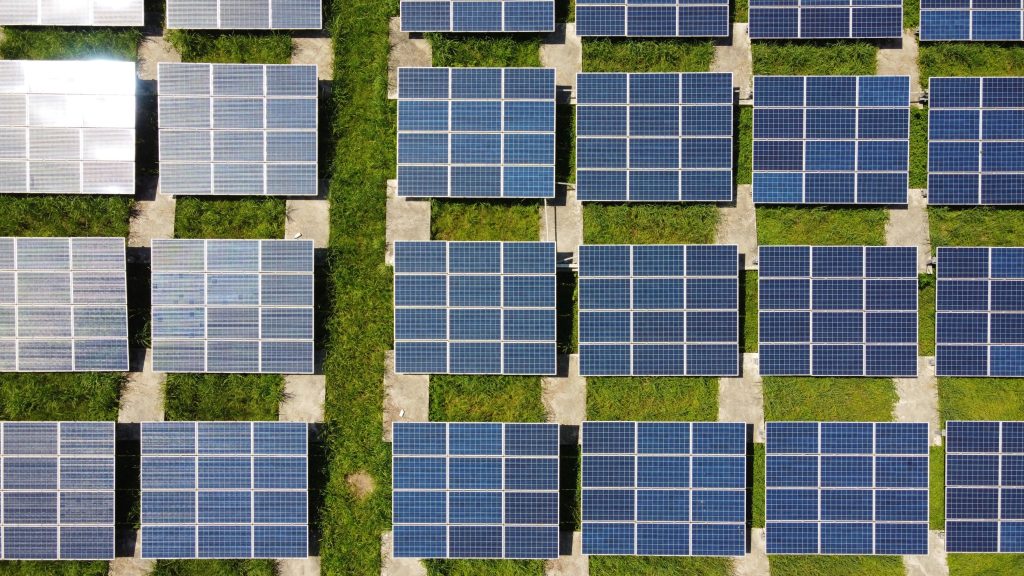
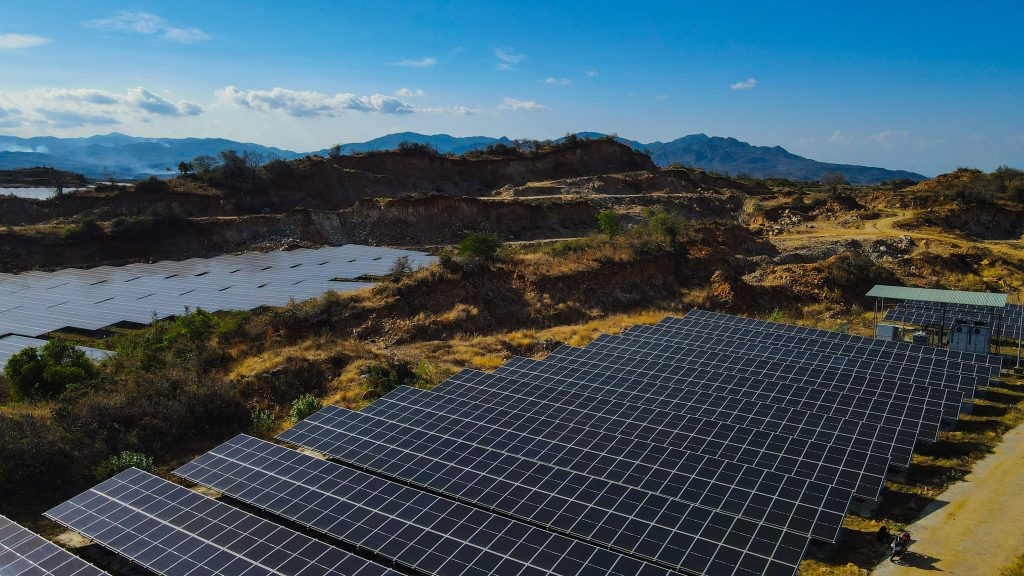
Solar Energy
Potential impacts on biodiversity and associated ecosystem services associated with solar energy
Loss of habitat through clearance or displacement of land
Bird collision with solar panels, and transmission lines
Bird and bat mortality through electrocution on distribution lines
Displacement due to attraction to reflective surface of solar panels
Wildlife mortality due to attraction to evaporation ponds
Barrier effects to terrestrial biodiversity movement
Habitat degradation due to changes in hydrology and water availability and quality
Pollution (e.g. dust, light, noise and vibration, solid/liquid waste)
Indirect impacts from displaced land-uses, induced access or increased economic activity
Associated ecosystem service impacts
Habitat alteration due to changes in microclimatic effect of solar panels
Introduction of alien species
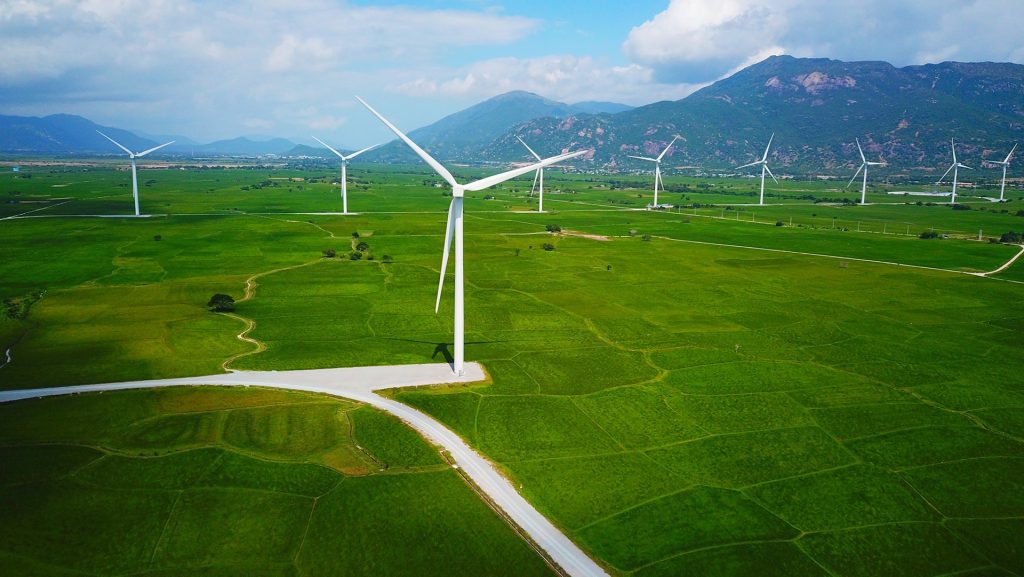
Onshore Wind Energy
Potential impacts of onshore wind developments on biodiversity and associated ecosystem services
Bird and bat collisions with turbines blades and / or transmission lines, as well as possibly barotrauma
Habitat loss through clearance or displacement of land for construction of, wind turbines and associated facilities
Bird and bat mortality through electrocution on distribution lines
Barrier effects to to animal movement from,
Trophic cascade effects affect predator-prey dynamics and ecosystem function
Pollution (e.g. dust, light, noise and vibration, solid/liquid waste)
Indirect impacts from displaced land-uses, induced access or increased economic activity
Associated ecosystem service impacts
Introduction of invasive alien species closely-spaced turbines, roads, and transmission lines.
Offshore Wind Energy
Potential impacts on biodiversity and the associated ecosystem services due to fixed- bottom offshore wind developments
Bird and bat collision with wind turbines and onshore transmission lines
Seabed habitat loss, degradation and transformation
Hydrodynamic change
Habitat creation
Trophic cascades
Barrier effects or displacement effects due to presence of wind farm
Bird mortality through electrocution on associated onshore distribution lines
Mortality, injury and behavioural effects associated with vessels
Mortality, injury and behavioural effects associated with underwater noise
Behavioural effects associated with electromagnetic fields of subsea cables
Pollution (e.g. dust, light, solid/liquid waste)
Indirect impacts offsite due to increased economic activity and displaced activities, such as fishing
Associated ecosystem service impacts
Introduction of invasive alien species
HOW WE HELP OUR CLIENT
We specialize in applying biodiversity expertise to renewable energy development and operations within the industry. Our focus involves collaborating with financiers and businesses to identify potential risks and offer practical management solutions that align with top-tier environmental practices.
We help our client strike a balance between renewable energy development and preserving biodiversity, ensuring sustainable practices are implemented throughout the project lifecycle.